Wondering whether a single-family home or a townhome makes more sense in Naperville? It is a common question, especially when you are balancing budget, lifestyle, commute, and how much home maintenance you actually want to handle. The good news is that Naperville offers strong options in both categories, and the right fit usually becomes clearer once you compare cost, upkeep, privacy, and location side by side. Let’s dive in.
Naperville Housing Starts With Context
Naperville is still largely a single-family detached market. In the CMAP 2020 to 2024 snapshot, 62.8% of housing units were single-family detached, while 12.2% were single-family attached.
That matters because your choice is not just about floor plan. In Naperville, it is often a decision about how much space you want, how much control you want over the property, and what kind of monthly housing cost feels sustainable for you.
The local ownership picture also helps frame the decision. The Census Bureau’s 2020 to 2024 estimates show Naperville with a 74.8% owner-occupied rate, a median owner-occupied home value of $540,200, and a median monthly owner cost with a mortgage of $3,154.
Price Differences Matter
If you are comparing single-family and townhome living in Naperville, price is usually one of the first big dividing lines. In the local MLS snapshot for May 2026, the median sales price was $757,000 for detached single-family homes and $405,000 for attached single-family homes.
Attached single-family is the closest MLS category for much of the townhome market, though it can include some other attached housing. Even with that caveat, the gap is large enough to show that many buyers can enter the market at a lower price point with an attached home.
Still, purchase price is only part of the picture. Monthly ownership costs can shift once you factor in association dues, exterior maintenance responsibilities, and any special assessments.
Single-Family Living in Naperville
More Privacy and Yard Space
If space and separation matter most to you, a detached home will usually have the edge. Naperville’s planning documents describe traditional and residential neighborhoods as predominantly single-family detached, with older areas often on smaller lots and traditional street grids, and newer areas often built with curving streets and cul-de-sacs.
For many buyers, that translates into more privacy, more yard space, and more room for storage, pets, hobbies, or future changes. You also tend to have more control over exterior updates, landscaping choices, and how you use your private outdoor space.
More Control, More Responsibility
That extra freedom usually comes with more hands-on upkeep. In a detached home, lawn care, snow removal, landscaping, and many exterior repairs typically fall on you unless the property is part of a separate service arrangement or HOA.
For some buyers, that feels like a fair trade for more autonomy. For others, especially if your schedule is packed, the maintenance side can become a real deciding factor.
Where Detached Homes Tend to Fit
Detached homes remain the backbone of Naperville’s traditional neighborhoods. City planning documents note that these neighborhoods are where most residents live, with older areas often laid out on a traditional grid and newer neighborhoods more likely to feature curving streets and cul-de-sacs.
The historic district near downtown is also a detached-home anchor, with about 253 homes according to the city. If you picture Naperville living as a classic suburban lot with more breathing room, detached housing is usually the closest match.
Townhome Living in Naperville
Lower-Maintenance Appeal
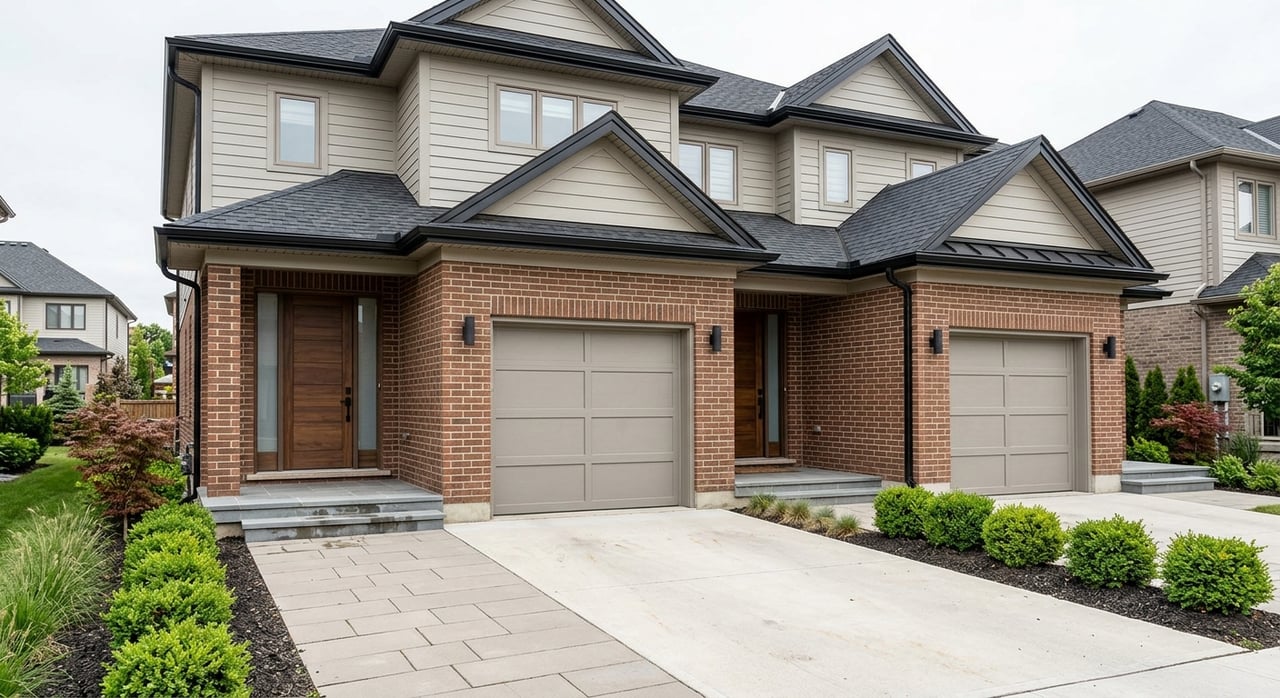
Townhomes often appeal to buyers who want a simpler day-to-day ownership experience. Naperville’s planning documents place townhomes in medium-density and mixed-residential settings, where single-family attached homes, townhomes, rowhouses, condos, and multifamily buildings are common.
For busy professionals, downsizers, and buyers who want a more lock-and-leave setup, that can be a major advantage. A smaller footprint and less exterior work can make homeownership feel more manageable.
Shared Walls and Shared Rules
The tradeoff is usually less privacy and less private outdoor space. With a townhome, you may have shared walls, closer neighbors, and more limits on exterior changes.
You also need to be comfortable with association rules. Depending on the community, those may cover parking, pets, rentals, exterior appearance, and maintenance responsibilities.
Where Townhomes Tend to Fit
In Naperville, townhomes are more likely to appear in mixed-residential, medium-density, and center-oriented locations. The city’s plans point to areas near commercial districts and highlight places near Plank Road and Naper Boulevard and near 103rd Street and IL Route 59 as examples of neighborhood-center growth.
The downtown plan also recommends condo, townhome, or row-house development close to downtown. In the Spring Avenue corridor south of the Burlington Northern railway and west of Washington Street, city documents specifically note single-family residential and townhomes near downtown and the Metra station.
That makes attached living especially relevant if you want proximity to mixed-use areas or easier access to the Naperville or Route 59 stations.
HOA Fees and Ownership Structure
One of the biggest mistakes buyers make is assuming all townhomes work the same way. In Illinois, a townhome community may be organized as a condominium or as a non-condominium common interest community, and that legal structure affects what you own and what your monthly fee covers.
According to the Illinois Department of Financial and Professional Regulation, condo associations charge assessments for common elements. In a non-condominium common interest community, owners typically own the land and the private residence while also paying annual or monthly assessments for shared facilities and covenant restrictions.
What to Review Before You Buy
If you are considering a townhome in Naperville, take time to review the governing documents carefully. Key items include:
- Declaration
- Bylaws
- Budget
- Reserve study
- Rules and regulations
- Rental restrictions
- Pet rules
- Exterior maintenance responsibilities
- Special-assessment history
Coverage can vary quite a bit from one community to another. You should not assume that dues automatically cover every exterior item.
How to Compare the Real Monthly Cost
A lower sale price does not always mean a lower total monthly cost. While attached homes in Naperville sold for much less than detached homes in the May 2026 MLS snapshot, HOA dues and shared-cost obligations can narrow that gap.
The smarter comparison is your full carrying cost. That includes your mortgage payment, property-related costs, association dues if applicable, and the likely out-of-pocket maintenance you will handle yourself.
A Simple Comparison Framework
Ask yourself these questions when weighing a single-family home versus a townhome:
- How much monthly payment flexibility do you want?
- How much exterior maintenance are you comfortable managing?
- How important are privacy and yard space?
- Do you want more freedom for exterior changes?
- Would a transit-friendly or closer-in location improve your routine?
- Are you comfortable living under association rules?
If you answer those honestly, the better fit often becomes obvious.
Which Option Fits Your Lifestyle?
Detached Homes Often Fit Buyers Who Want Space
A detached single-family home is often the better fit if privacy, yard space, storage, room for pets, and long-term customization matter most to you. That is why many move-up buyers naturally lean toward detached homes in Naperville.
If you expect to stay put for a while and want more control over the property, the extra cost and upkeep may feel worthwhile. For many buyers, the benefit is having a home that gives you more flexibility over time.
Townhomes Often Fit Buyers Who Want Convenience
A townhome is often the better fit if predictable maintenance, a smaller footprint, and convenient location matter more than maximum privacy. Naperville’s planning documents describe mixed-residential areas as housing options for seniors, empty nesters, first-time buyers, workforce housing, students, and young professionals.
That does not mean townhomes are only for one type of buyer. It simply shows that attached housing can serve a wide range of life stages, especially when ease and efficiency are top priorities.
The Best Choice in Naperville
In simple terms, single-family living in Naperville usually buys you more space and autonomy. Townhome living usually buys you more convenience and a lighter maintenance load.
Neither option is universally better. The right choice depends on whether you are optimizing for privacy, time, location, or monthly predictability.
If you want help sorting through those tradeoffs in a way that fits your budget and your goals, Carrie Bowen can help you compare options across Naperville with clear, practical guidance.
FAQs
What is the main difference between single-family and townhome living in Naperville?
- In Naperville, single-family homes usually offer more privacy, yard space, and exterior control, while townhomes usually offer a smaller footprint and less exterior maintenance.
Are townhomes in Naperville usually less expensive than detached homes?
- Based on the May 2026 MLS snapshot, attached single-family homes had a median sales price of $405,000 compared with $757,000 for detached single-family homes in Naperville.
Do Naperville townhomes always include exterior maintenance in the HOA fee?
- No. In Illinois, what the fee covers depends on the community’s legal structure and governing documents, so buyers should review maintenance responsibilities carefully.
Where are townhomes commonly located in Naperville?
- City planning documents place many townhomes in mixed-residential, medium-density, and center-oriented areas, including some locations near downtown, commercial districts, and transit corridors.
When does a detached home make more sense in Naperville?
- A detached home often makes more sense when you want more privacy, more outdoor space, more storage, and greater flexibility to customize the property.
When does a townhome make more sense in Naperville?
- A townhome often makes more sense when you want lower-maintenance living, a more manageable footprint, and a location that may be closer to downtown, shopping areas, or Metra access.