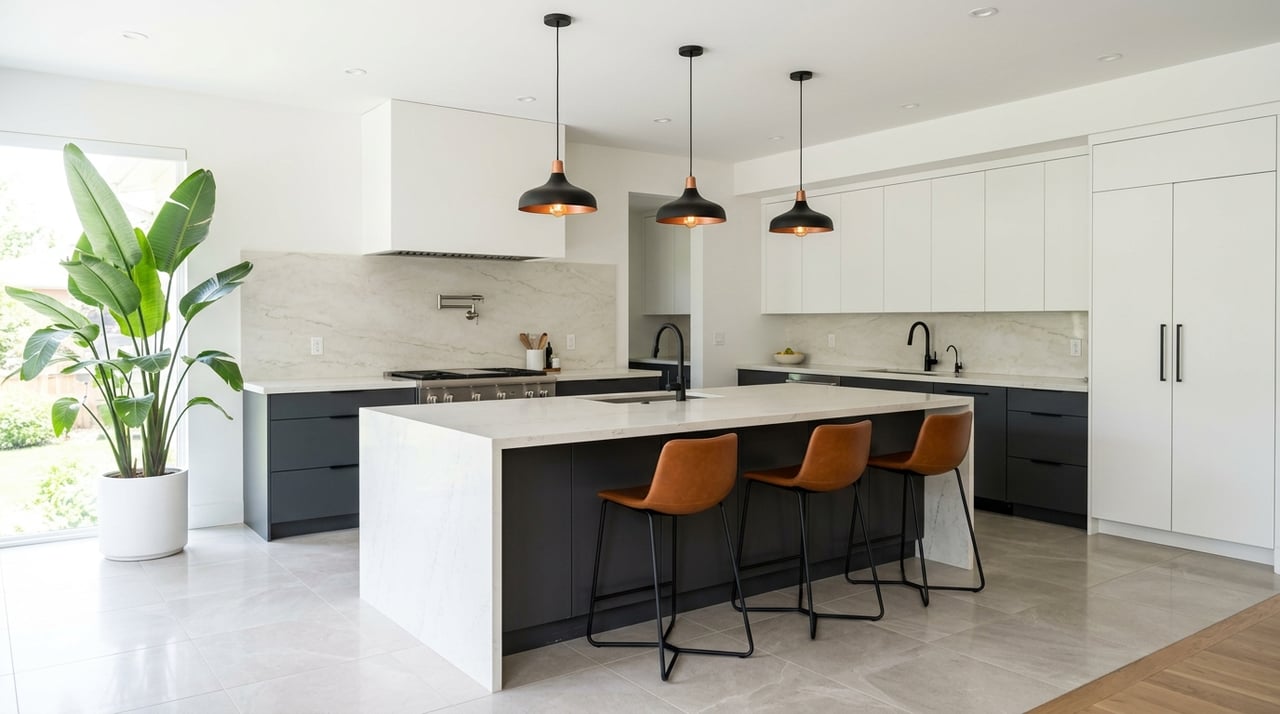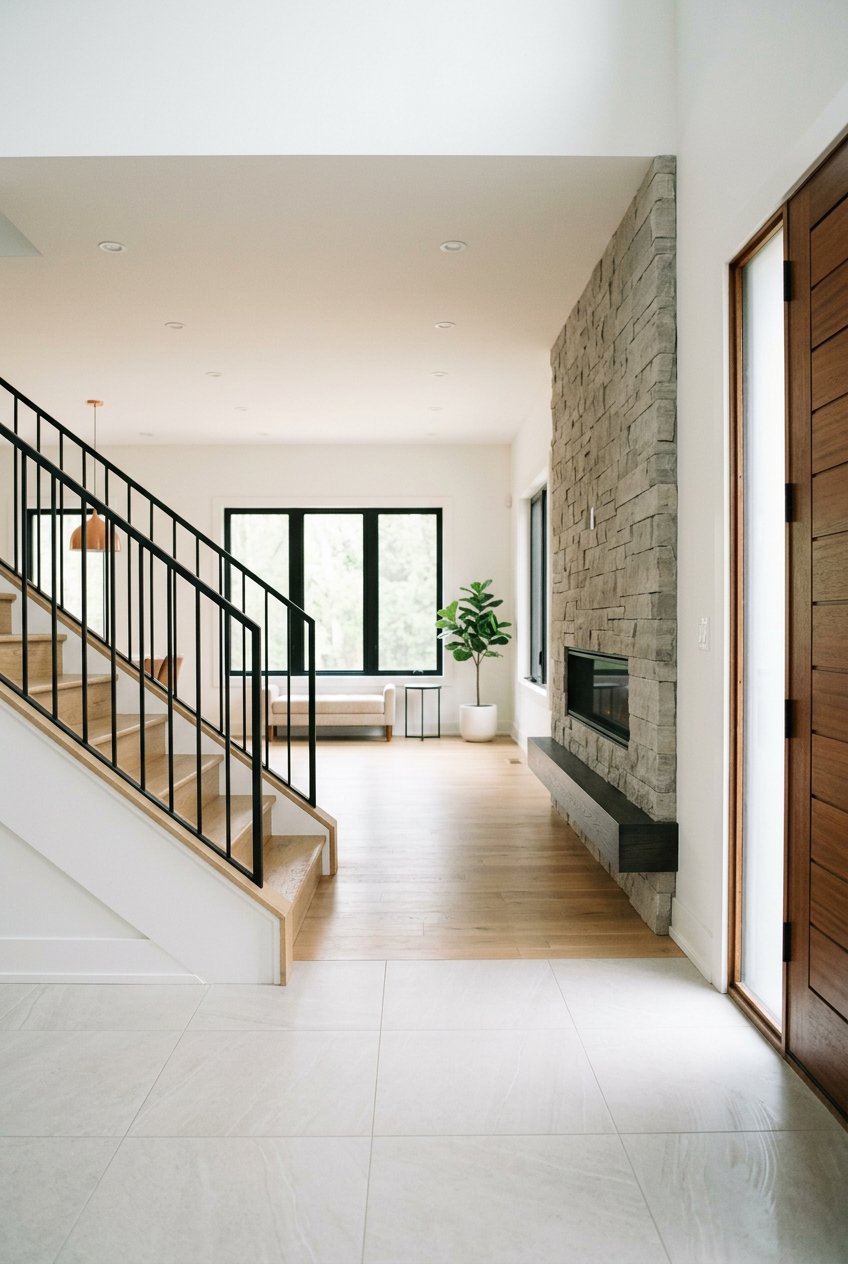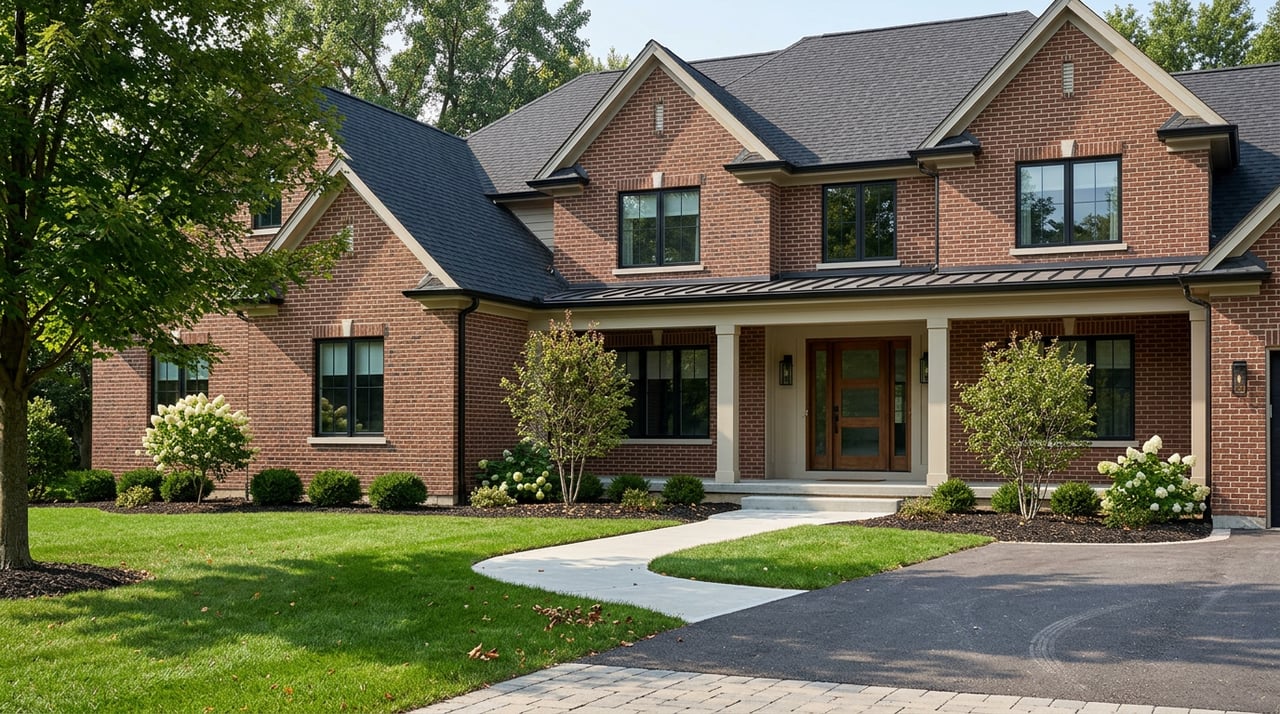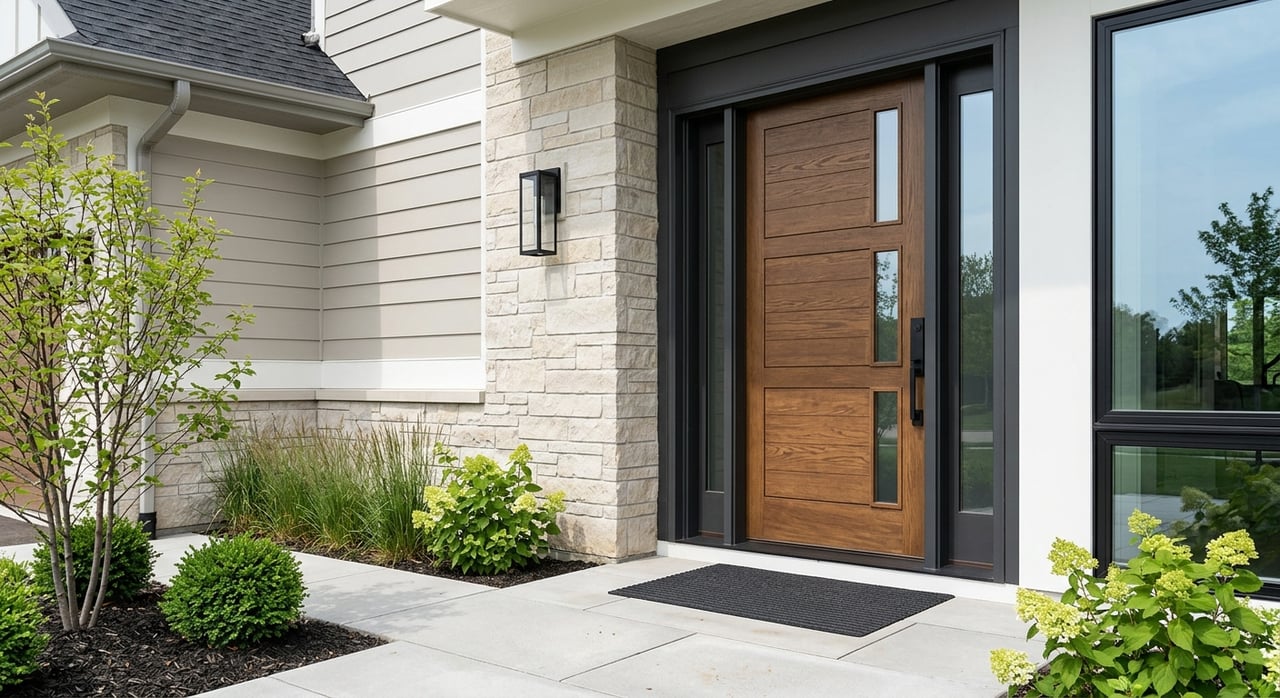
Thinking about buying a brand-new home in Naperville? You are not alone. In a market where homes move quickly and inventory stays tight, new construction can feel like a smart way to get modern features, energy-efficient design, and less immediate maintenance. The catch is that buying new is not always simpler than buying resale. If you understand how pricing, timelines, permits, and warranties work, you can make a more confident decision. Let’s dive in.
Naperville New Construction at a Glance
Naperville remains a competitive market for buyers. According to Realtor.com’s local market data, the city was classified as a seller’s market in February 2026, with a median home price of $590,000 and median days on market of 23.
For you as a buyer, that often means new-construction opportunities can move fast. Lot releases may have limited availability, quick move-in homes can draw strong interest, and some communities may already have reservations underway before the broader market notices.
What Types of New Homes You’ll Find
Naperville new construction is not one-size-fits-all. Current offerings include downtown infill townhomes, low-maintenance townhome communities, semi-custom housing, and larger custom or semi-custom homesite communities.
Examples in the market help show that range. Benton + Main is an 11-townhome release, while Heritage Place highlights semi-custom downtown living. Everly Trace focuses on low-maintenance living, and Clow Creek Farm has marketed a larger homesite community.
That variety matters because your buying process may look very different depending on the home type. A downtown infill townhome, a to-be-built suburban home, and a completed spec home each come with different timelines, choices, and pricing structures.
Infill and Redevelopment Matter Here
In Naperville, new construction is not limited to large undeveloped land parcels. The city’s Toolkit for Successful Redevelopment shows that teardown and infill projects are an active part of the local housing landscape.
That means some new homes are being built within established areas, shaped by existing lot sizes, zoning, and redevelopment rules. If you are comparing communities, it helps to know whether you are buying in a newly planned development or a redevelopment setting where lot conditions may be more specific.
Why Lot Selection Is More Important Than It Looks
A floor plan can get most of the attention, but the lot can shape your experience just as much. In Naperville, land use, plats, easements, and subdivision rules all influence what can be built and how a property functions.
The city’s Land Use Master Plan and development review materials make clear that growth is guided by formal land-use planning. For you, that means the “best” lot is not just about price or curb appeal. It is also about understanding site constraints, plat conditions, and what is actually allowed.
Questions to Ask About the Lot
Before you commit, ask practical questions such as:
- Is the homesite subject to any special plat conditions or easements?
- Are there lot premiums beyond the advertised base price?
- What exterior features require separate approvals or permits?
- Is the homesite already reserved, or are reservations still being accepted?
These details can affect both your budget and your long-term enjoyment of the property.
How Naperville Approvals and Permits Affect Buyers
If you are buying a home that has not been completed yet, city approvals can directly affect your timeline. For larger developments, Naperville uses a formal development process through its Civic Access development petition and application system. The city notes concept meetings come first, followed by department review cycles, with first submittals using a 21-day review cycle and later submittals using a 14-day cycle.
Once a home is moving toward construction, permits become the next key step. Naperville states that permits are required before new construction begins, and a complex project such as a new single-family home may take three to four weeks for review under the city’s building permit process.
The city also adopted the 2024 ICC building codes on February 17, 2026, for new permits submitted on or after April 1, 2026. That is one more reason to confirm exactly where a home is in the process when you are making plans.
One Permit Is Often Not the Whole Story
Many buyers assume there is one permit for the house and that is it. In reality, Naperville notes that new single-family and duplex projects often involve multiple sub-permits, with five to six being typical.
Separate permits may also be required for related improvements such as driveways, fences, patios, pools, or accessory structures. If you are planning upgrades beyond the home itself, this is worth discussing early so your expectations match the actual approval path.
Build Timeline: Why “New” Does Not Always Mean Fast
One of the biggest misunderstandings about new construction is timing. A builder may advertise a community before all homes are ready to close, and not every property is at the same stage.
In Naperville, you may come across three main scenarios:
- Pre-sale homes, where you reserve early in the process
- Build-to-order homes, where construction starts after selections and permits
- Quick move-in or spec homes, which may already be under construction or nearly finished
This distinction matters. As shown on local community pages like Everly Trace, some communities offer first-look opportunities, reservations in process, or quick move-in options.
A builder benchmark from M/I Homes says the construction phase can take about 4 to 6 months after permits are issued, as explained in its new home construction timeline guide. That is helpful as a rough benchmark, but it is not a guarantee. City review timelines, permit issuance, inspections, and product type can all affect your closing date.
Inspections and Occupancy: What You Need to Know
A new home is not ready just because it looks finished. In Naperville, final occupancy depends on inspection sign-off. The city states that stamped plans must be available on site during inspections, required inspections are listed in the portal, and work must pass final inspection before use or occupancy under the city’s permit and inspection requirements.
That makes inspections more than a technical step. They are a key part of when you can actually move in.
If the Home Is in Unincorporated DuPage County
Some properties associated with a Naperville address may follow county rather than city inspection procedures. In unincorporated DuPage County, the required inspections list includes erosion control, footing, spotted plat, backfill, radon, under-slab plumbing and electrical, framing, house wrap, insulation, energy conservation, and final inspections.
The county also states that the owner is ultimately responsible for code compliance and that permits can expire if no required inspection is scheduled for 180 days. If you are buying near municipal boundaries, it is smart to confirm which jurisdiction applies.
Base Price Is Not the Final Price
One of the most important things to know about new construction in Naperville is that the base price may only tell part of the story. Community marketing materials can include homesite premiums, reservation structures, and upgrade costs that raise the real purchase price.
For example, Pulte’s Naper Commons brochure references homesite premiums, and Clow Creek Farm has noted that homesite selection and reservations are in process. That means two homes with the same plan may carry meaningfully different total costs depending on location, finish selections, and timing.
Costs to Clarify Early
Ask for a clear breakdown of:
- Base price
- Included features
- Design center upgrades
- Homesite premiums
- HOA fees
- Special assessments, if any
This helps you compare options more accurately and avoid stretching your budget based on an incomplete number.
How New Home Warranties Usually Work
Many buyers take comfort in the idea that a new home comes with a warranty, and that can be a real benefit. Still, it is important to understand what that warranty actually covers.
The Federal Trade Commission’s guidance on new-home warranties explains that a builder warranty is different from a home warranty or service contract. It also notes that coverage often varies by builder and contract.
In general, new-home warranties often cover workmanship and materials for the first year, major systems such as HVAC, plumbing, and electrical for about two years, and structural issues for as long as ten years. Exact terms can vary, and exclusions are common.
What Buyers Should Review in Writing
The FTC notes that some warranties may exclude appliances, minor cosmetic cracking, and out-of-pocket living expenses during repairs. Local builder materials also show different approaches, such as advertised 10-year limited structural coverage or transferable structural warranties.
Before you sign, ask:
- What is covered and for how long?
- What is excluded?
- How do you submit a claim?
- How quickly are claims usually addressed?
- Does the coverage transfer if you sell later?
Reading the actual warranty language is worth your time.
Smart Questions to Ask Before You Buy
New construction can offer strong advantages, but the process works best when you ask detailed questions upfront. The most useful questions are often the simplest ones.
Here are five to keep at the top of your list:
- Is this a pre-sale, quick move-in/spec home, or build-to-order home?
- What is included in the base price, and what counts as an upgrade?
- Are there lot premiums, HOA fees, or special assessments?
- Which inspections can I attend, and is an independent inspector allowed?
- What is the warranty coverage, claim process, and transferability?
These questions can help you compare builders, avoid surprises, and plan your move more realistically.
How Local Guidance Can Help
Buying new construction in Naperville often involves more moving parts than buyers expect. Between community releases, lot selection, city approvals, inspection milestones, pricing structures, and warranty terms, you are making decisions that affect both your budget and your timeline.
That is where local, process-focused guidance can make a difference. If you want help comparing communities, understanding timelines, or evaluating the fine print behind a new-build purchase, Carrie Bowen can help you move forward with clarity and confidence.
FAQs
What types of new construction homes are available in Naperville?
- Naperville currently includes downtown infill townhomes, semi-custom homes, low-maintenance townhomes, larger homesite communities, and some quick move-in new homes.
How long does it take to build a new construction home in Naperville?
- Timelines vary, but one builder guide says construction can take about 4 to 6 months after permits are issued, and city review, inspections, and product type can extend that timeline.
What does the base price mean for a Naperville new construction home?
- The base price usually does not include every cost, so you should also ask about lot premiums, upgrades, HOA fees, and any other charges that affect the final purchase price.
Do new construction homes in Naperville come with a warranty?
- Many do, but coverage varies by builder and contract, so you should review the written warranty for coverage periods, exclusions, claim procedures, and transferability.
How do inspections work for new construction homes near Naperville?
- Homes within Naperville follow the city inspection and occupancy process, while homes in unincorporated DuPage County may follow a different county inspection path with its own required milestones.
What should buyers ask before reserving a new construction home in Naperville?
- You should ask whether the home is pre-sale, build-to-order, or quick move-in, what is included in the price, what lot or HOA costs apply, which inspections are available, and how the builder warranty works.