Looking for a place to rent in Naperville and wondering whether you can start with a short stay or need to commit to a longer lease? That is a common question, especially if you are relocating, between homes, or planning to buy after you get settled. The good news is that Naperville offers a range of rental property types, but the rules and lease patterns matter. Here’s what you need to know before you start your search.
Naperville rentals at a glance
Naperville is a market where owning is more common than renting. According to U.S. Census QuickFacts, 74.8% of housing units are owner-occupied, which means rentals make up a smaller share of the local housing mix.
That smaller renter share can shape your search. It often means you may need to move quickly when a good rental becomes available, especially if you want a specific home style or lease timeline.
Rent levels also reflect Naperville’s market position. The median gross rent is $1,885, which is higher than DuPage County at $1,688 and higher than Illinois overall at $1,274.
What types of rentals you’ll find
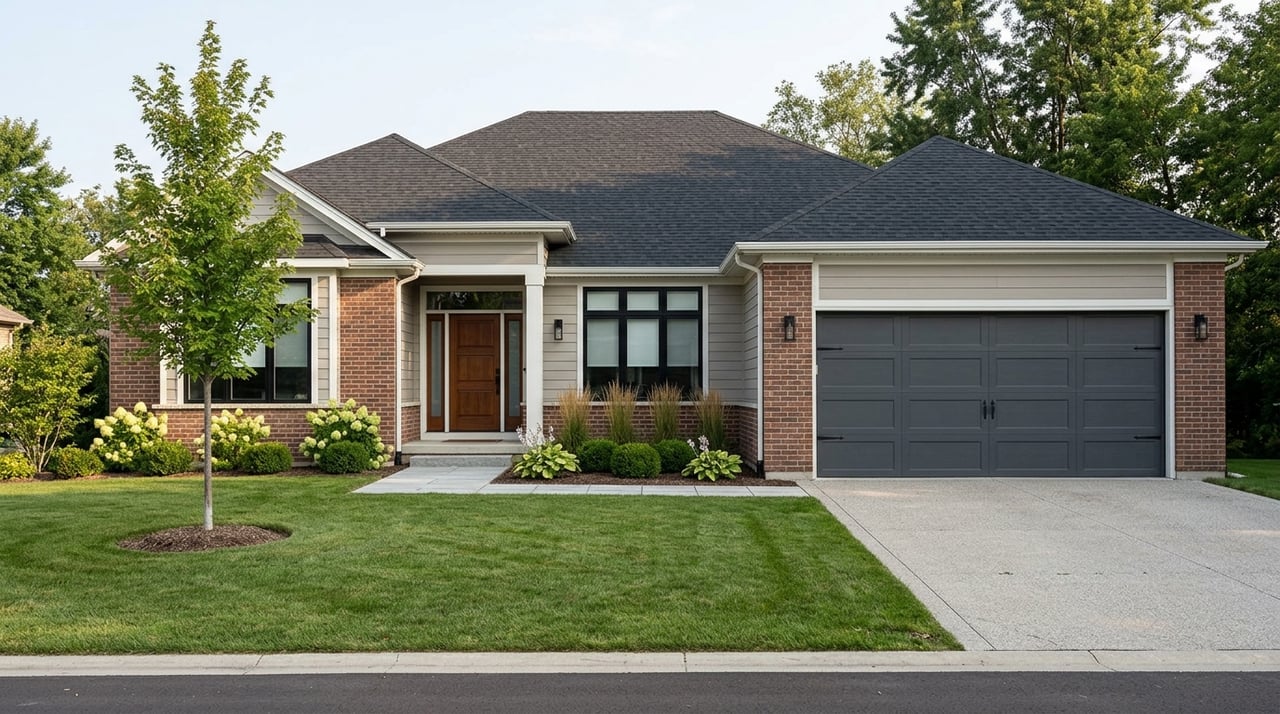
Even with a smaller rental share, Naperville still offers a diverse mix of rental housing. Public listing snapshots and city materials show apartments, condos, townhomes, and single-family homes are all part of the local market.
Apartments in Naperville
Apartments are a common option if you want a more standard leasing process and possibly more flexible term choices. Local examples show some communities offering lease terms from 6 to 14 months, while others require at least 12 months.
If you are comparing apartment communities, pay close attention to the minimum term, move-in costs, and screening requirements. Those details can vary from property to property.
Condos and townhomes
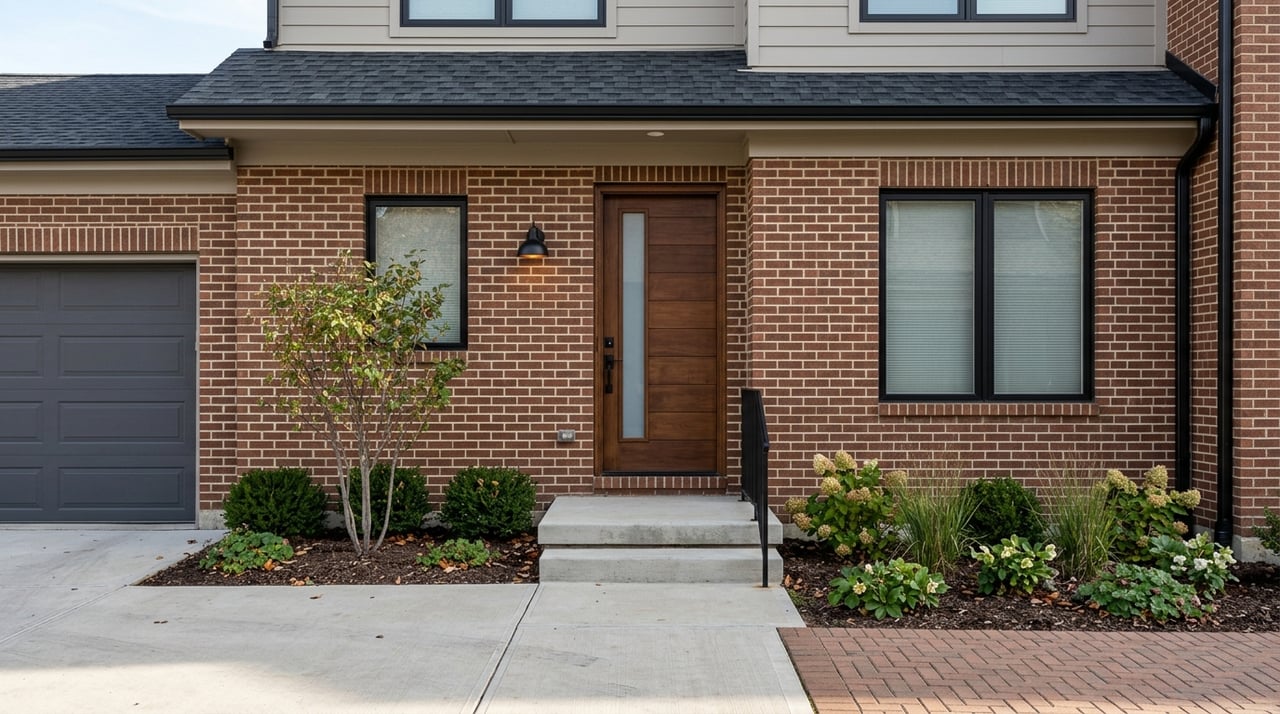
Condos and townhomes are also part of Naperville’s rental inventory. These can be a good fit if you want more space than an apartment while still keeping maintenance responsibilities limited.
Lease terms for these homes are often fixed, so it helps to match your timeline before you apply. If you know you may buy in the near future, this step matters even more.
Single-family homes
Single-family home rentals are available in Naperville as well. These can appeal to renters who want more living space, storage, or a layout that feels closer to long-term homeownership.
Because Naperville is largely owner-occupied, single-family rentals may feel more limited than in some other markets. That makes preparation important when a property that fits your needs comes on the market.
Boarding-room arrangements
Naperville allows a limited boarding-room setup, but the rules are narrow. Boarding rooms are only allowed in owner-occupied structures, with up to two boarding rooms in a single-family structure or one in other dwelling types.
For most renters, this will not be the main path to housing. Still, it is helpful to know this category exists and is separate from typical apartment or house rentals.
Short-term rentals are generally not allowed
If you are hoping for an Airbnb-style stay while you get familiar with the area, this is one of the most important local rules to understand. Naperville prohibits short-term residential rentals within city limits.
Since September 1, 2020, it has been unlawful to operate, use, offer for rent, or advertise property as a short-term residential rental in the city. The city notes a narrow pre-existing exception and a separate boarding-room rule, but in practical terms, short-term residential rentals are not generally available in Naperville.
That means most renters should plan around a traditional lease rather than a nightly or weekly rental setup. If your move is temporary, your best strategy is usually to focus on the shortest lawful lease term available that still fits your needs.
Longer leases are the norm
In Naperville, fixed-term leases are common. Current examples in the local market show 12-month leases, 6-to-14-month options, and 12-to-24-month terms.
This matters if you are relocating for work, waiting on a home purchase, or trying to time a sale and a move. In many cases, you will need to plan around a defined lease period instead of expecting month-to-month flexibility upfront.
How to match your lease to your timeline
If you expect to buy soon, think through your likely purchase window before signing. A lease that is too long can make your next move more complicated, while a lease that is too short may limit your options.
A few helpful questions to ask yourself include:
- How long do you realistically need before buying or moving again?
- Are you comfortable with a 12-month minimum if that is the only option?
- Do you need flexibility, or do you value payment stability more?
- Are you searching for a specific property type that may have fewer lease choices?
In a market like Naperville, timing and preparation often go together.
What landlords may ask for
Naperville rental communities commonly require a standard screening package. Local examples show requests for government photo ID, proof of income, credit and criminal background checks, rental history, and sometimes liability insurance or pet records.
One community example requires proof of income equal to three times the monthly market rent, along with credit and background checks and at least $100,000 in liability coverage. Another publishes a $75 application fee, a $300 administrative fee, a minimum $300 security deposit, a government ID requirement, and a 72-hour approval or denial timeline.
Because policies vary, it helps to gather your documents before you start touring. Being ready can save time when a rental you like becomes available.
A simple renter document checklist
Before you apply, try to have these items ready:
- Government-issued photo ID
- Recent proof of income
- Contact information for past landlords, if requested
- Pet documentation, if applicable
- Proof of liability insurance, if required by the property
- Funds set aside for application fees, deposits, and administrative fees
Illinois screening rule that may save you money
Illinois now gives renters a way to reduce duplicate screening costs in some situations. If you provide a compliant reusable tenant screening report prepared within the previous 30 days and make it available to the landlord at no cost, the landlord may not charge an application or screening fee.
The report must include the criteria used by the landlord, including income verification and eviction-history results. If you are applying to multiple properties, this is worth asking about early in the process.
Expect to search across multiple sources
Illinois Legal Aid notes that Illinois does not have an official statewide rental registry. In practical terms, that means you usually need to compare multiple websites and property management sources rather than rely on one public database.
For renters in Naperville, this can make the process feel a little fragmented. A clear search plan can help you stay organized and avoid missing new listings.
Local fair housing and voucher considerations
Naperville’s fair housing ordinance requires landlords to consider legal source of income, including rental assistance and vouchers. At the same time, landlords may still use lawful screening based on credit, criminal history, and references.
If you are applying with a voucher, it is smart to plan for extra time. The city explains that the application process may take longer because the unit must be inspected and the rent must be reviewed as reasonable by the public housing agency.
In Naperville, the primary public housing agencies are generally the DuPage Housing Authority in DuPage County and the Housing Authority of Joliet in Will County. If timing is important, build that added review period into your moving plan.
Know the local property standards
Understanding local maintenance rules can help you know what to expect during your lease. Naperville says tenants who are concerned about unsafe conditions can request a city inspection, and the city follows the 2018 International Property Maintenance Code.
The city also publishes basic property maintenance expectations. These include snow and ice removal, parking limits, exterior upkeep, and a 68-degree heating standard during the heating season.
If you are comparing rentals, it can be helpful to ask who handles these responsibilities and how service requests are managed. Clear expectations make move-in and day-to-day living easier.
Security deposit rules renters should know
Illinois law gives renters important protections around security deposits. If a landlord withholds money for damage, the law requires an itemized statement and receipts within 30 days after move-out or lease-end.
If no statement or receipts are provided, the deposit must be returned in full within 45 days. The statute also says bad-faith withholding can lead to double damages plus court costs and attorney’s fees.
Keeping photos, your lease documents, and move-in and move-out records can help if questions come up later.
Smart planning for renters in Naperville
Because Naperville has a high owner-occupancy rate and many rentals use fixed lease terms, preparation matters. If you are renting before buying, try to align your lease with your likely purchase timeline and keep your documents ready.
That simple step can reduce stress and help you stay flexible. In a market with varied property types but fewer rentals than owner-occupied homes, good planning can make a big difference.
Whether you are looking for an apartment, condo, townhome, or single-family rental, local guidance can help you sort through the options and find the right fit for your timeline. If you need help navigating Naperville rentals or planning your next move, connect with Carrie Bowen.
FAQs
Are short-term rentals allowed in Naperville?
- In general, no. Naperville prohibits short-term residential rentals within city limits, with only narrow exceptions noted by the city.
What lease lengths are common for rentals in Naperville?
- Fixed-term leases are common, with local examples showing 6-to-14-month terms, 12-month minimums, and some 12-to-24-month options.
What types of rental properties are available in Naperville?
- Naperville rentals include apartments, condos, townhomes, and single-family homes, based on city materials and current listing snapshots.
What documents do landlords often require for a Naperville rental application?
- Common requirements include a photo ID, proof of income, credit and criminal background checks, rental history, and sometimes liability insurance or pet documentation.
Can a Naperville landlord consider voucher income?
- Yes. Naperville’s fair housing ordinance requires landlords to consider legal source of income, including rental assistance and vouchers, though lawful screening standards may still apply.
What should renters know about security deposits in Illinois?
- If money is withheld for damage, the landlord must provide an itemized statement and receipts within 30 days after move-out or lease-end, or return the deposit in full within 45 days if those documents are not provided.