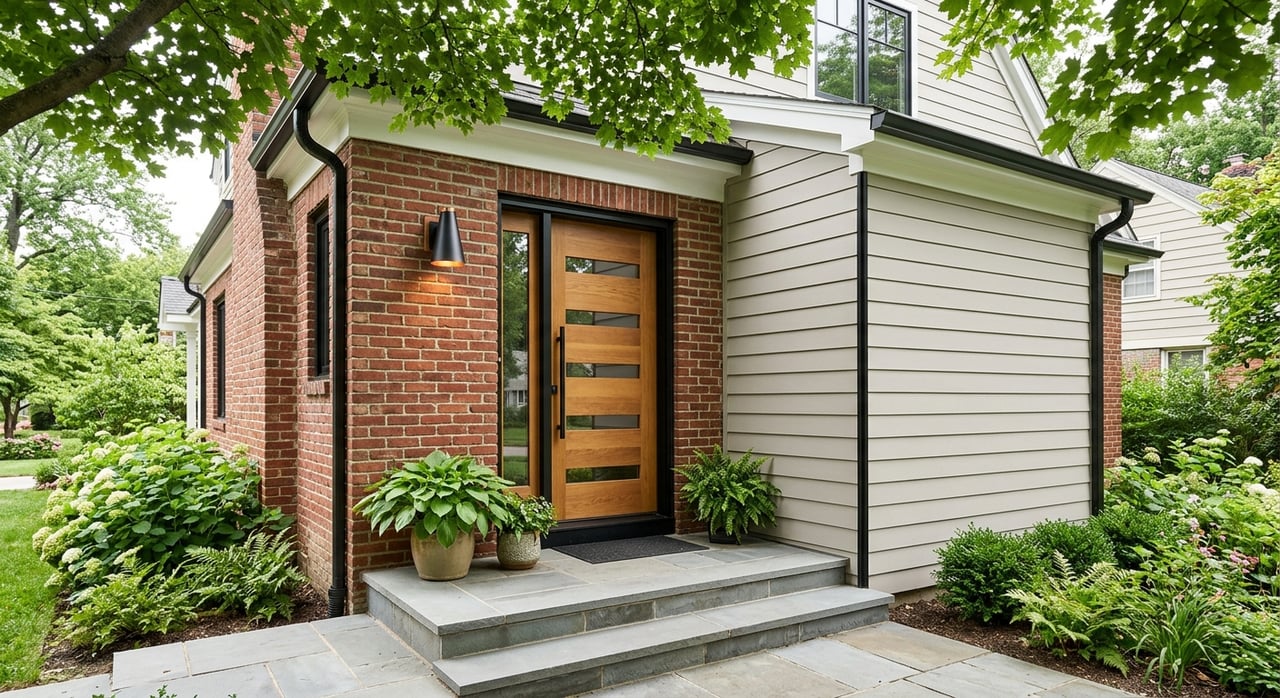
Wondering whether you should chase the charm of an older Downers Grove home or hold out for a newer build? You are not alone. In a village with a long housing history and relatively limited brand-new inventory, this choice often comes down to lifestyle, maintenance comfort, and what kind of living experience you want day to day. This guide will help you compare both options with more confidence, so you can focus on the homes that truly fit your goals. Let’s dive in.
Downers Grove Is Mostly Established Housing
Downers Grove is not a market where new construction dominates the landscape. According to CMAP’s 2025 local housing profile, the village had 21,268 housing units in 2023, with 69.4% single-unit homes and 75.3% owner-occupied housing. The median year built was 1974, which tells you right away that most buyers here are shopping in an established housing stock.
The age breakdown also helps explain what you will see in person. About 8.9% of homes were built in 1939 or earlier, 16.5% from 1940 to 1959, 38.5% from 1960 to 1979, 21.2% from 1980 to 1999, and 14.9% in 2000 or later. In other words, newer homes are part of the market, but they are still a smaller slice of the overall housing mix.
That matters because your search will likely involve comparing homes from very different eras. In Downers Grove, that often means choosing between older character-filled homes, mid-century layouts, and newer infill or redevelopment properties.
What Older Downers Grove Homes Offer
Older homes in Downers Grove often stand out for their architectural variety. Village materials identify styles such as Queen Anne, Prairie, Craftsman, Colonial Revival, Spanish Revival, Minimal Traditional, and Mid-Century Modern, along with familiar forms like bungalows, Foursquares, ranches, split-levels, and neo-revival houses.
If you enjoy homes that feel distinct, older housing can be especially appealing. A Foursquare may offer a more boxy, practical footprint, while a Prairie-style home may emphasize horizontal lines and deep eaves. Ranch and split-level homes can also appeal to buyers who want simpler circulation patterns or separated living zones.
Older homes may also connect you to parts of Downers Grove that reflect the village’s documented building history. The village’s 2013 Historic Building Survey covered 865 properties in areas including Denburn Woods, Shady Lane Estates, the E.H. Prince Subdivision, and the Maple Avenue/Main Street corridor. That does not mean every older home has formal historic status, but it does show how actively the community tracks and values its built environment.
Why Character Can Be a Big Draw
For many buyers, the biggest appeal of an older home is personality. You may notice more architectural detail, more variation from one house to the next, and a stronger sense that the home has its own identity.
Downers Grove planning materials also connect neighborhood desirability with architectural diversity, mature parkway trees, and preservation or adaptive reuse. If you picture yourself in an established setting with a more layered streetscape, older homes may naturally rise to the top of your list.
What to Watch in Older Homes
Charm is only part of the story. Older homes are also more likely to raise questions about maintenance, efficiency, and renovation planning.
Many older homes have less insulation than homes built today, so energy performance can vary widely from one property to another. A home that looks beautiful from the street may still need updates related to air sealing, insulation, or systems.
If a home was built before 1978, lead-based paint is another important consideration. Renovation or painting work that disturbs painted surfaces may require lead-safe certified contractors and specific work practices.
What Newer Builds Offer in Downers Grove
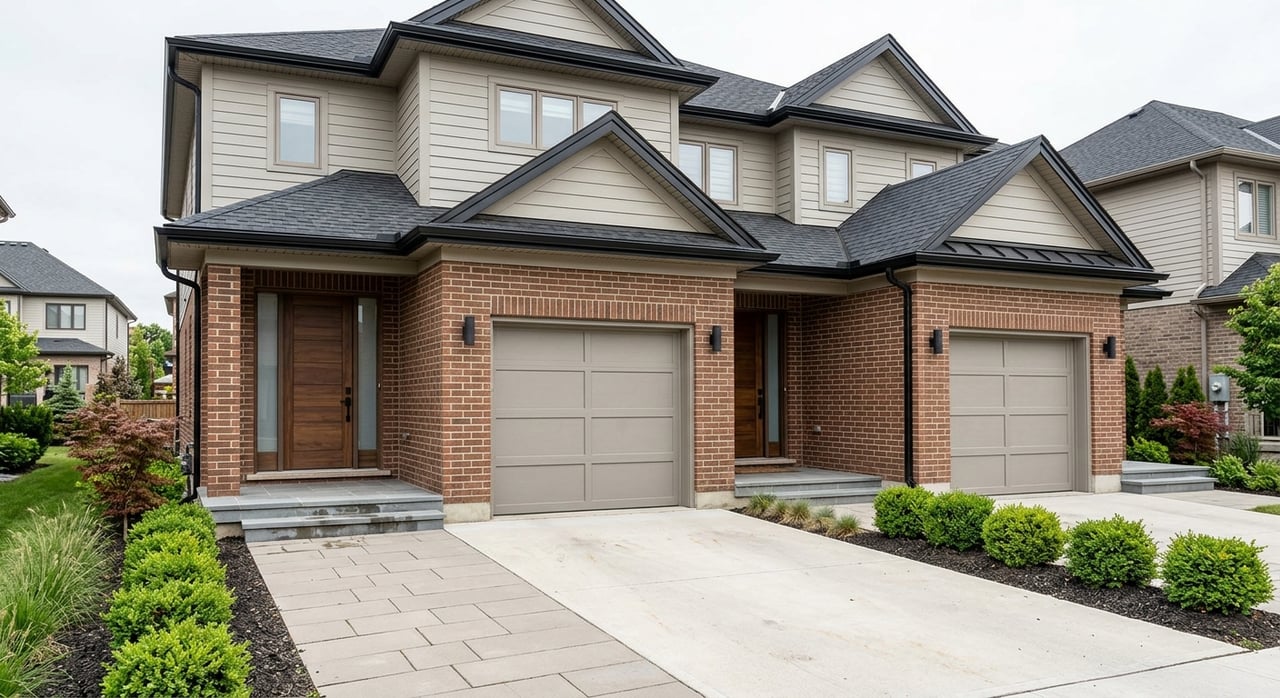
Because Downers Grove is largely built out, newer homes often come to market through infill development, redevelopment, or teardown replacement. Instead of seeing large new subdivisions, you are more likely to find new construction woven into existing neighborhoods.
That pattern shapes what a newer build feels like in this market. You may get newer finishes, a more current floor plan, and systems that begin closer to today’s standards, but the home may still sit among much older housing.
Village planning documents support infill development and redevelopment while also encouraging new construction and renovations to complement the surrounding character and scale. So in Downers Grove, newer does not necessarily mean disconnected from the rest of the neighborhood. It often means a newer home inserted into an established setting.
Why Buyers Like Newer Homes
A newer build can simplify the early years of ownership. Buyers who want fewer immediate retrofit projects often appreciate homes that are more likely to align with current code expectations and energy standards at the time they were built.
Later-era homes in Downers Grove include forms such as Minimal Traditional, Mid-Century Modern, Ranch, Split Level, Late Modern Eclectic, and Neo-Revival. Village style materials describe neo-revival homes as using modern materials, simplified detailing, and typically large attached garages. For some buyers, that translates to a more current look and a layout that feels easier to live in right away.
What to Verify in Newer Homes
It is still smart to look past the surface. A home that appears new or recently updated should not automatically be assumed to be highly efficient or problem-free.
In Downers Grove, new construction and major additions go through permit review and local code checks, including the energy code. Even so, you should still verify insulation, HVAC sizing, window quality, and permit history. A well-built newer home can offer a lot of convenience, but due diligence still matters.
Older Charm vs Newer Build at a Glance
| Feature | Older Homes | Newer Builds |
|---|---|---|
| Overall feel | More architectural character and variety | More current finishes and design tendencies |
| Typical setting | Established blocks with mature streetscapes | Usually infill or redevelopment in built-out areas |
| Maintenance outlook | May need more updates over time | May need fewer immediate upgrades |
| Layout style | Can vary widely by era and style | Often designed around more modern living patterns |
| Renovation questions | More likely to raise permit, efficiency, or lead-safe concerns | Still requires permit and build-quality review |
How to Decide What Fits You Best
The right choice depends less on age alone and more on how you want to live. Two homes built in the same decade can feel completely different based on updates, maintenance, and floor plan changes over time.
Older homes may be a stronger fit if you value:
- Distinct architectural character
- Mature surroundings and established streetscapes
- The chance to customize over time
- A home that feels less cookie-cutter
Newer homes may be a stronger fit if you value:
- A more move-in-ready experience
- Fewer near-term retrofit projects
- More current materials and systems
- Layouts that may feel more aligned with present-day living
Local Due Diligence Matters
In Downers Grove, permit history is a major part of the comparison. The village says most projects require a permit, and its code list includes the 2021 International Residential Code, the State of Illinois Energy Conservation Code, and the International Property Maintenance Code with local amendments.
That means updates are not just about appearances. You want to know whether past work was properly reviewed and whether future projects may need approvals.
If a property is landmarked or located within a historic district, certain exterior work may face additional review. That can include front-facade window and door replacement, demolition, street-visible additions, attached garages, and roof changes that alter height or pitch.
For buyers considering an older or historically significant home, this is one of the most important practical questions to ask early. It does not mean you should avoid the property. It simply means you should understand the review process before planning visible exterior changes.
The Best Choice Is the One You Can Evaluate Clearly
In a place like Downers Grove, you are rarely choosing between all old or all new. More often, you are comparing homes across decades, updates, and design philosophies within the same established community.
That is why the smartest approach is to compare each property on its actual condition, permit history, layout, and long-term fit for your life. Character matters. Convenience matters. So do renovation limits, operating costs, and how much work you want to take on after closing.
If you are weighing older charm against newer construction in Downers Grove, having a clear side-by-side strategy can save you time and help you make a more confident decision. When you are ready to compare options with local insight and a practical game plan, reach out to Carrie Bowen.
FAQs
How common are newer homes in Downers Grove?
- Newer homes are a minority share of the housing stock. CMAP reported that 14.9% of housing units were built in 2000 or later.
What styles might you see in older Downers Grove homes?
- Village materials identify styles and forms including Queen Anne, Prairie, Craftsman, Colonial Revival, Spanish Revival, bungalows, Foursquares, ranches, and split-levels.
What should you check before buying an older Downers Grove home?
- Focus on maintenance history, insulation and efficiency concerns, permit history, and whether the home may involve lead-safe renovation considerations if it was built before 1978.
Are new builds in Downers Grove usually part of large subdivisions?
- No. Because the village is largely built out, newer homes are more commonly created through infill development, redevelopment, or teardown replacement.
Can exterior changes on older Downers Grove homes require extra review?
- Yes. If a property is landmarked or in a historic district, certain exterior changes may require additional village review.
Is an older home or newer home better for resale in Downers Grove?
- There is no one-size-fits-all answer. In this market, condition, updates, maintenance, and how well the home fits buyer demand often matter more than age alone.